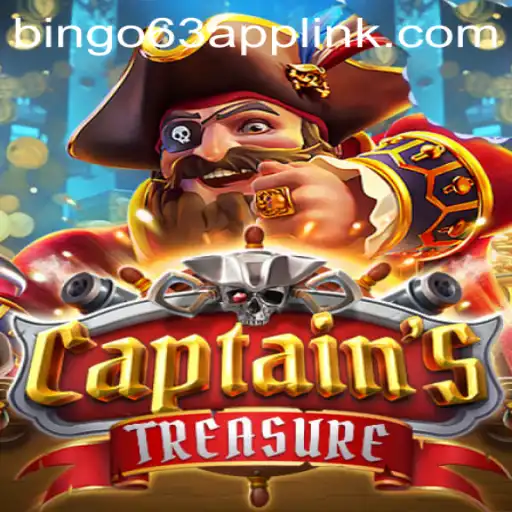
Discover the Thrilling World of CaptainssTreasure at Bingo63.com
Explore the exciting gameplay, introduction, and rules of the popular online game CaptainssTreasure, exclusively available on Bingo63.com.


In recent years, the landscape of sports has evolved drastically, and one of the most exciting developments has been the rise of virtual sports. This growing phenomenon is intriguing sports enthusiasts globally, offering a unique blend of technology and traditional sporting excitement. Virtual sports are not just limited to popular games such as basketball, football, or racing. They now also encompass games like Bingo63.com, reflecting the diversity and expanding appeal in the world of virtual gaming.
Virtual sports are computer-generated simulations of real sports events. They use complex algorithms and graphics technology to simulate the sporting events, mimicking the authentic experience of watching a live event. As technology continues to advance, these simulations have become more realistic and engaging, offering fans the thrill of sports from the comfort of their homes.
One of the key components behind the development of virtual sports is the use of sophisticated graphics engines and artificial intelligence. These technologies work together to create realistic environments and ensure fair gameplay. The algorithms used are designed to replicate real-world physics and randomness, providing each event with a level of unpredictability similar to what one might experience in live sports.
Several factors contribute to the growing popularity of virtual sports. Accessibility is a major draw. With virtual sports, games can be played or watched at any time, without the limitations of seasons, weather, or location affecting the schedule. Furthermore, platforms like Bingo63.com have expanded options for sports enthusiasts to engage with a range of games beyond traditional sports, further boosting this sector's appeal.
Beyond the convenience and accessibility, virtual sports also offer social engagement. Many platforms integrate social elements, allowing players to interact, compete, or collaborate with friends or other users worldwide. These interactions have fostered communities and have made virtual sports not just a pastime but a social experience as well.
Betting has long been an integral part of the sports culture, and virtual sports are no exception. The virtual betting industry is booming, with many platforms offering betting opportunities across a wide range of virtual sports. Sites like Bingo63.com, which include virtual sports as part of their offerings, have noted significant upticks in participation, illustrating a new avenue of engagement for fans and bettors alike.
The economic impact of virtual sports cannot be underestimated. The industry is expanding rapidly, providing new job opportunities and revenue streams. From developers and programmers to marketers and sports analysts, virtual sports have catalyzed new employment opportunities. Platforms benefiting from this boom are experiencing financial growth, further driving investments and innovation in the sector.
Despite the many benefits and opportunities that virtual sports present, they are not without challenges. One significant concern is the regulation of virtual sports betting, as the rules and ethics surrounding virtual events are still in their developmental stages. Establishing clear policies to ensure fair and secure environments is essential to maintain trust and integrity within the industry.
As technology continues to evolve, the possibilities for virtual sports seem limitless. With advancements in areas such as virtual reality and augmented reality, the line between virtual and real sports may become increasingly blurred. Moreover, as platforms such as Bingo63.com continue to innovate, the future promises even more exciting developments catering to the diverse interests of sports enthusiasts.

If you're looking for a reliable, fully licensed, and secure sportsbook with a wide selection of games, Bingo63.com is the perfect choice. We're committed to providing you with the best online betting experience, with premium quality, excellent service, and continuous innovation. Sign up now and receive ₱777 for free!
Join now
Get the latest information, experience and betting strategies from the expert team at Bingo63.com.
Explore the exciting gameplay, introduction, and rules of the popular online game CaptainssTreasure, exclusively available on Bingo63.com.

Discover the enchanting world of GoHighPuppyLove, a game that blends creativity, strategy, and a sense of adventure. Dive into its fascinating gameplay and rules, intertwined with intriguing hints of current trends.

Unveiling the thrilling world of BlackBooze, an innovative game associated with Bingo63.com, detailing its introduction, rules, and impact on the gaming industry.

Discover the captivating universe of LadyPhoenix, a game that combines strategic bingo play and adventurous quests.

Dive into the captivating universe of PinataWins, a thrilling game featured on Bingo63.com. Discover its intriguing gameplay and immerse yourself in the innovative rules that set it apart.

An immersive journey into the captivating world of SummerMood, exploring its intriguing details, rules, and connection to Bingo63.com.
 Join now